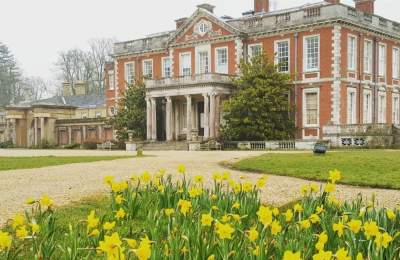
Discover the best country houses in West Sussex, from stately homes and castles to Roman villas and historic gardens. Perfect for a great day out.
West Sussex is home to some of the finest country houses in England, offering a remarkable mix of stately homes, historic mansions, castles and Roman villas. Set against the rolling hills of the South Downs and the Sussex coastline, these beautiful historic houses make perfect destinations for days out, combining architecture, art, gardens and fascinating stories from Britain’s past.
In this guide, we explore the best country houses in West Sussex to visit, from grand National Trust estates to lesser-known historic gems, along with tips on where to eat nearby and what not to miss.
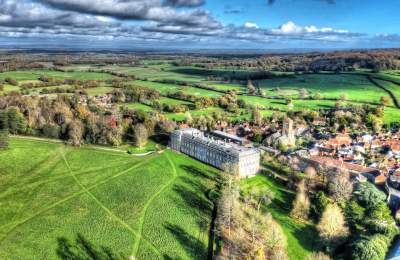
Petworth House
Back to Top of ListWhy Visit: Home to possibly the greatest art collection in the care of the National Trust today, here you’ll find works by the likes of van Dyck, Blake, Reynolds and Titan on display.
About the House: With over 900 years of history, Petworth House came from modest medieval origins before being transformed into a grand mansion in the 17th century, to rival some of the finest palaces in Europe. Belonging to just one family during this time, Petworth House has welcomed many an influential guest - including royalty and celebrated artists - over the years. Step inside to explore grand state rooms and historic Servant Quarters, or venture into the 700-acre deer park and pleasure ground designed by famous landscape architect Lancelot ‘Capability’ Brown.
Don’t miss: The Carved Room, famous for its wood carvings by Grinling Gibbons. From here you’ll also be able to admire some of Turner's Sussex views, painted in Petworth in the early 19th Century.
Looking for a local lunch? We recommend Petworth’s Angel Inn.
Opening times: Open all year with some rooms closed for maintenance during winter. House open 10:30 - 3:30pm low season / 10:30 - 4:30pm April - November. Pleasure Grounds 10:00 - 4:00pm low season/ 10:00 - 5pm April - November. Deer Park 8am - 6pm low season / 8am - 8pm April - November.
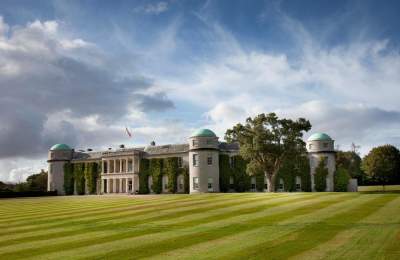
Goodwood House
Back to Top of ListWhy Visit: Having served as the home for the Dukes of Richmond and Lennox for over 300 years, stunning Goodwood House is still under private ownership today. Tours are available on Sundays and Mondays only, but will reveal one of the most significant private art collections in the country.
About the House: With connections to royalty, Goodwood House was originally purchased by the 1st Duke of Richmond, the son of King Charles II and his French mistress, Louise de Keroualle. Originally destined to be a hunting lodge, the house has been expanded over the years to create the spectacular masterpiece that we see today. Rooms include the ballroom, Egyptian dining room, tapestry drawing room and music room. While it’s up for debate whether the design was intentional, the Regency Goodwood House looks like three sides of an octagon, perfectly suited for viewing the magnificent mature parkland that surrounds the house.
Not to be Missed: Afternoon tea in the opulent ballroom is a treat like no other. Enjoy finger sandwiches, homemade fruit scones and the pastry chef’s offering of the day, all made using produce from Goodwood’s Home Farm.
Looking for a local lunch? If tea is not on the cards, the Goodwood Aerodrome Café will do the trick.
Opening times: Goodwood Tours and Teas run from March to October, with reduced dates in July and around major Goodwood events.
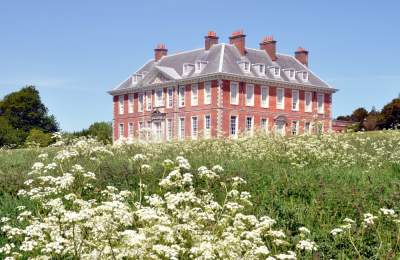
Uppark House
Back to Top of ListWhy visit: The setting of Uppark House is spectacular, with views stretching across the South Downs to the Solent. On a fine day you can catch a glimpse of the Isle of Wight in the far distance.
About the house: Uppark House near South Harting gives a fascinating insight into upstairs-downstairs life in the 18th Century. Upstairs, this fine country house is adorned with exquisite French furniture, delicate Dutch porcelains and captivating Italian paintings. Venture downstairs and you’ll find servants quarters and draughty tunnels painting quite a different picture. The writer, HG Wells lived here as a child when his mother was housekeeper for a time. The gardens were designed by renowned 19th century landscape designer Henry Repton and are a pleasant place to while away an afternoon. Visit in spring or summer when the meadows are bursting with wildflowers, the pretty Regency garden is resplendent and a more modern - but equally as impressive - woodland play area comes into its own.
Don’t miss: Uppark is well known for its historic 18th century Palladian-style dolls house, one of the finest of its kind still surviving today.
Plan your visit: The grounds and gardens of Uppark can be visited free of charge, including access to the café. For cyclists following the South Downs Way, there is a new rack in the car park to stow your bike, or you can dismount and wheel it into the grounds. Visits to the house are now by pre-booked guided tours from Sunday to Tuesday. The gardens are open Sunday – Wednesday.
A suitable lunch spot: Try The White Hart, South Harting, The White Horse in Chilgrove or La Follia cafe in South Harting.
Opening times: From March to September, Uppark House opens Sunday to Tuesday, while the grounds are open for visiting Sunday to Wednesday. Uppark also opens for Christmas visiting when the house is dressed for Christmas.
Parham House
Back to Top of ListWhy visit: Parham is one of the country’s finest Elizabethan houses and is much the same as it was back in the day. Tudor and Stuart portraits adorn the walls and fresh flower arrangements picked from the gardens can be found in every room.
About the house: A family home since its foundation stone was laid during Elizabeth I's reign in 1577, Parham House is still a family home today. Inside, you’ll find the Great Hall, Great Chamber and Long Gallery (the third longest to be found in a private house in England), decorated with a stunning collection of pictures, furniture and needlework. Outside, there’s a picturesque four-acre 18th Century Walled Garden, vegetable garden, glass house and orchard, as well as a fascinating example of a 1920's Wendy house. In the adjoining Pleasure Grounds, you’ll also find a picnic-perfect lake and a unique brick and turf maze to while away the hours.
Look out for: Parham House is home to one of the finest and most important collections of early needlework in the country. The embroidery on the Great Bed dates from circa 1585 and its curtains and pelmet from circa 1620 - well worth checking out.
Looking for a lunch spot? We recommend The White Hart near Pulborough.
Opening times: Parham House opens each year from Easter Sunday until mid-October. You can visit on Wednesdays, Thursdays, Fridays, Sundays and Bank Holidays
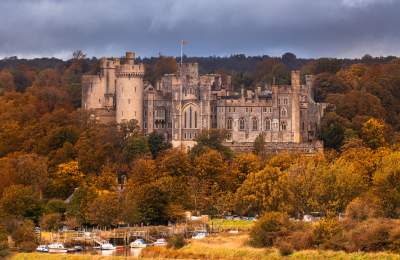
Arundel Castle
Back to Top of ListWhy visit: Arundel Castle in the heart of Arundel town, gives a window into almost 1000 years of history with many of its original features still in place, including the Norman Keep, medieval Gatehouse and Barbican, Baron’s Hall, Regency Library and Victorian bedrooms.
About the house: Arundel Castle’s story began in 1607 when it was founded by Roger de Montgomery, a close friend and advisor to William the Conqueror. It was damaged in the English Civil War and then restored in the 18th and 19th centuries by Charles Howard, the 11th Duke of Norfolk. Its story doesn’t end there; step inside to learn about its past, explore the finely preserved interior with its fascinating furniture and tapestries, and admire rare paintings by artists including Van Dyck, Gainsborough and Canaletto.
Check out: Arundel Castle Gardens are stunning, award-winning and quirky in parts. The Tropical and English Gardens are a masterpiece of design, while the Stumpery, a whimsical mix of raw and twisted botanical shapes combined with architectural plants, will delight and entertain.
Feeling peckish? Try Arundel’s The Black Rabbit.
Opening times: Arundel Castle closes for the winter and reopens at Easter each year. For 2026 the reopening date is 1st April.
Don't miss: the annual Tulip Festival - dates are announced in spring, usually taking place in April. Also the re-enactments which usually take place in the summer months.
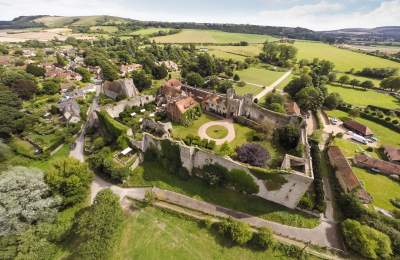
Amberley Castle
Back to Top of ListWhy visit: Amberley Castle makes an entry in the Doomsday Book (as Amberley), and it retains many of its original historic features and decorations. Now a four-star hotel, you’ll have to stay overnight or book in for a meal or afternoon tea for a glimpse inside, but we don’t think that is a hardship…
About the house: Starting life as a timber framed hunting lodge built at the foot of the South Downs by Bishop Luffa, Amberley Castle was transformed over the course of 400 years into a fortified manor house. It is now a 900 year old castle enclosed by a 60 foot high curtain wall and portcullis, and privately owned by Andrew and Christina Brownsword. Fortunately for us, it has been transformed into a four star hotel with all the luxury facilities you could hope for.
Don’t miss: Walk in the footsteps of royalty, politician and VIPs as you explore the green rolling pastures, ancient woodlands and river valleys of Amberley, and the beautiful 12 acres of landscaped gardens surrounding the castle.
Looking for a Local Lunch? We recommend The Black Horse in Binsted.
Fishbourne Roman Palace and Gardens
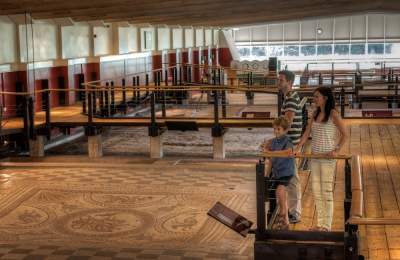
Back to Top of ListWhy visit: Fishbourne Roman Palace near Chichester, is the only Roman palace uncovered in the UK, and home to the largest collection of early Roman mosaic floors in Britain. Furthermore, the Roman gardens are also the earliest gardens found anywhere in the country!
About the house: Although the palace is mostly remains, it manages to impart a fascinating insight into life during the Roman occupation of Britain. The collection of over 20 mosaics will amaze, the innovative under-floor heating system rivals modern technology and the huge range of Roman objects found during the excavations will not fail to fascinate. If you're curious to know how Fishbourne Palace may have looked when it was first built, wonder no more. With a short film on show demonstrating how the villa may have looked 2,000 years ago, you’ll be perfectly placed to picture life as a Roman in West Sussex.
Look out for: The Roman Garden Museum will tell you about the herbs and vegetables of Roman days, and their uses for cooking, medicines and dyeing cloth.
Hungry? Pop into The Bosham Inn. to quiet those pangs.
Opening times: Fishbourne Roman Palace is open daily from 28 March-30 November (10am-5pm) in 2026. The site usually closes between mid-December and reopens in time for the February half term school holidays. In February (after half term) and March you can visit from Wednesdays to Sunday, 10am-4pm.
Bignor Roman Villa
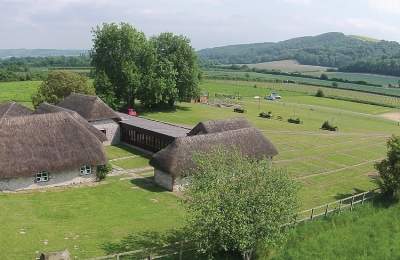
Back to Top of ListWhy visit: The views stretch as far as the eye can see and the rolling hills of the South Downs provide the backdrop. Bignor Roman Villa places history in the most magical of settings.
About the house: In 1811, local farmer George Tupper struck a mosaic with his plough and the villa has been in the dedicated care of the Tupper family ever since. Although the house is very much remains, these are world-class mosaic floors which suggest that previous occupants of the site would have been a wealthy family, possibly Romano-British.
Look out for: The painting in the foyer of the villa illustrates how the family who lived here might have dressed. The ring and brooch on the man featured in the picture were both items found during the excavations.
Looking for a local lunch spot? We recommend The George Eartham.
Opening times: Bignor Roman Villa opens from early April until late October each year. Don't miss the annual sunflower patch in August and October's Pumpkin patch!
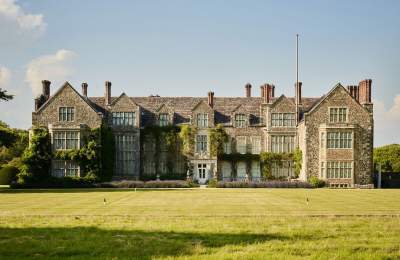
Stansted House
Back to Top of ListWhy visit: Originally an 11th century hunting lodge, little has changed since this Edwardian mansion was rebuilt in 1903 following a fire. The servants’ quarters are very much of a bygone era, and the 1800 acres of parkland including a Farm Shop, Garden Centre and the Pavilion Tea Rooms, will enchant and entertain.
About the house: Stansted Park became the residence of the 9th Earl of Bessborough in 1924. The striking Edwardian Mansion stands within 1800 acres of extraordinary landscaped parkland and ancient forest. Visitors can view the house's state rooms from Easter Sunday until the end of September. The rooms are furnished as they would have been by the Bessborough family as they entertained politicians, actors and even royalty. A true contrast of ‘upstairs, downstairs’ can be explored in the fully furnished Servants Quarters.
Don’t miss: The Grade 1 listed private chapel of St Paul was built in 1807, with its stunning East Window said to have inspired poet John Keats.
Looking for a local lunch? We recommend The Pavilion Tea Rooms
Opening times: You can visit Stansted House from Easter Sunday until the end of September on Sundays, Mondays, and Tuesdays from 1pm - 5pm. A variety of events throughout the year are also held in the house, including some during the Christmas period.
Other Great Country Houses in West Sussex
Inspired by our round up of the greatest country houses of West Sussex?
The eight houses featured above are just the tip of the iceberg. In fact, you could dedicate a whole week to exploring the country houses of West Sussex, and still have more to tick off your list on the next visit. Here are just a few more to inspire you:
Chichester: Explore the charming Grade I Georgian mansion of Edes House in the City Centre. Or venture 10 minutes outside of the City (by car) to the exceptional flint faced manor house of West Dean. Just around the corner from West Dean you’ll find an incredible 50 plus relocated historic houses at the Weald & Downland Living Museum.
Midhurst: In the centre of Midhurst, you’ll find the Cowdray Heritage Ruins, one of England’s most important early Tudor houses which was known to have been visited by both King Henry VIII and Queen Elizabeth I. While you’re there, head to the delightful Woolbeding Gardens, whilst admiring the handsome Georgian Woolbeding House at the same time.
Petworth: Visit Mrs Cummings’ Cottage at Petworth Cottage Museum. The museum is a Leconfield Estate worker's cottage restored and furnished as it may have been circa 1910. The museum also has a rare collection of Petworth Goss China.
Other things to do in West Sussex
There’s plenty more to see and do in West Sussex. Find inspiration for other great things to do here.
Frequently Asked Questions (FAQs)
What are the best country houses to visit in West Sussex?
Some of the best country houses to visit in West Sussex include Petworth House, Arundel Castle, Goodwood House, Stansted House, Parham House, Uppark House, and Amberley Castle. Each property offers historic architecture, landscaped gardens, and unique heritage experiences, making West Sussex one of the most rewarding counties in England for country house visits.
Are West Sussex country houses open all year round?
Some houses, like Petworth House, remain open all year round but Uppark, Arundel Castle and Parham House generally open from Spring to Autumn. You can find more specific details above.
Do I need to book tickets in advance?
You are recommended to book tickets in advance for Arundel Castle (particularly when the Tulip Festival is on) and for Uppark House as you can only visit via guided tours. Petworth House is managed by the National Trust and no booking is required. Tours of Goodwood House are by advance booking only. Amberley Castle operates as a restaurant and hotel so you can only visit by prior booking.
How much does it cost to visit a country house in West Sussex?
Prices vary from around £10 per adult for Stansted House to around £29 for Arundel Castle. Family tickets are often available, and you can use your National Trust membership for Petworth House and Uppark House.
Which country houses are most family-friendly?
Families are welcomed at Petworth House, Arundel Castle and at Uppark House. At Petworth House children can enjoy an activity trail in the house. At Uppark House they are welcome to join a guided tour, and at Arundel Castle there are a variety of family friendly activities to enjoy as you explore. While not strictly country houses, Fishbourne Roman Palace and Bignor Roman Villa both welcome and encourage children to explore.
Are National Trust and English Heritage memberships accepted?
National Trust memberships are accepted at Petworth House and Uppark House. Arundel Castle and Parham House are privately owned.
Are there guided tours available?
Guided tours are available at Arundel Castle for groups, however friendly and knowledgeable guides are located around the house to offer you insights into the castle and its treasures. Visits to Goodwood House are by guided tour between March and October as well as at Uppark House which invites visitors to join guided tours of the beautiful interiors. Knowledgeable guides at Petworth House will offer insights into certain rooms, and you will find information in each room to help you understand what you are looking at.